How Learning Supports Success Across Different Career Paths
Learning plays an important role in preparing people for many different career paths. While the knowledge and abilities required can vary considerably from one profession to another, each field depends on people developing skills that help them perform their responsibilities effectively. Some careers emphasize technical knowledge, while others rely more heavily on communication, organization, analysis, or interpersonal abilities. Learning can provide a foundation for developing these capabilities and applying them in professional settings.
Different occupations also demonstrate that learning is not limited to formal education. Practical experience, workplace training, observation, and continued professional development can all contribute to building useful skills. A person working in healthcare may need strong knowledge and communication abilities, while someone working in food service may depend more heavily on organization and customer service. Examining these differences provides a clearer picture of how learning supports success across a variety of professional environments.
Knowledge and Skills in Physical Therapy
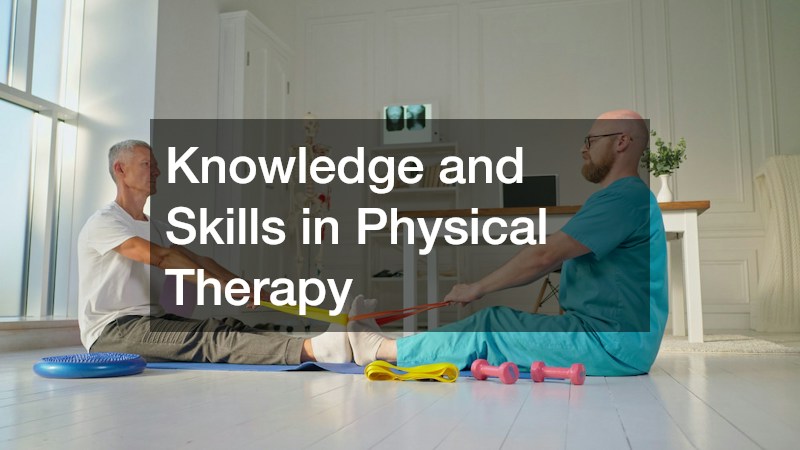
A career as a physical therapist requires a combination of scientific knowledge, practical abilities, observation, and communication. Professionals need to understand the physical factors involved in movement while also recognizing that each person may have different needs and circumstances. Learning provides the foundation for developing this knowledge and connecting it to practical responsibilities.
Hands-on experience can also help professionals strengthen their ability to observe movement, communicate instructions, and respond appropriately to individual situations. These skills work together rather than functioning independently. Developing them over time can help professionals approach their responsibilities with greater understanding and consistency.
- Knowledge of the human body provides an important foundation for understanding movement and physical function.
- Observation skills help professionals recognize differences in movement and identify relevant details.
- Communication abilities allow instructions and information to be explained clearly.
- Practical experience provides opportunities to apply academic knowledge in professional situations.
- Problem-solving skills help professionals consider different circumstances and adjust their approach.
The combination of academic preparation and practical learning can therefore support the broad range of responsibilities associated with physical therapy.
Financial and Analytical Abilities
Accounting depends heavily on accuracy, organization, analytical thinking, and an understanding of financial information. A certified public accountant needs to work with detailed information while applying professional knowledge to specific responsibilities. Learning can help develop the technical foundation needed to understand financial concepts and evaluate information carefully.
Analytical ability is particularly important because accounting work involves more than simply recording information. Professionals need to examine details, recognize relationships within financial information, and communicate relevant findings. Continued development can help reinforce these abilities as professionals encounter different financial responsibilities.
- Financial knowledge helps professionals understand accounting concepts and related responsibilities.
- Analytical thinking supports careful examination of financial information.
- Attention to detail helps reduce mistakes when working with complex information.
- Organizational skills support the management of records, information, and professional responsibilities.
- Communication skills help professionals explain financial information to clients and other audiences.
Continued learning can also help accounting professionals build on their existing knowledge as their responsibilities become more complex. The field demonstrates how technical understanding and analytical abilities can work together to support professional performance.
Skills Used in Commercial Cleaning
Commercial cleaning requires practical skills, consistency, organization, and attention to detail. Although the work may involve physical responsibilities, successful performance also depends on understanding expectations, following appropriate procedures, and managing tasks efficiently. Learning can help workers develop these abilities through instruction and experience.
The workplace itself can provide opportunities to strengthen practical knowledge. Repeated experience with different environments and responsibilities can help workers become more familiar with the demands of professional cleaning. This familiarity can contribute to more organized and consistent approaches to daily responsibilities.
- Training can introduce appropriate cleaning procedures and workplace expectations.
- Attention to detail supports consistent completion of cleaning responsibilities.
- Organization helps workers manage multiple tasks within an established schedule.
- Practical experience can improve familiarity with different work environments.
- Consistency helps maintain expected standards across recurring assignments.
These abilities illustrate how professional learning can support careers that rely heavily on practical application. For commercial cleaners, developing reliable work habits and understanding professional expectations can be just as important as learning individual cleaning techniques.
Knowledge and Skills in Food Service
Working in an Italian restaurant can require a combination of food knowledge, customer service, communication, teamwork, and organization. Different roles within the restaurant may involve different responsibilities, but employees generally need to understand how their work contributes to the overall customer experience.
Learning can take place through formal training as well as daily workplace experience. Employees can become more familiar with procedures, menu information, customer interactions, and the expectations associated with their specific roles. This combination of instruction and experience can help employees become more comfortable managing their responsibilities.
- Knowledge of food and menu offerings helps employees communicate information to customers.
- Customer service skills support clear and professional interactions.
- Communication helps employees coordinate responsibilities with coworkers.
- Organization allows employees to manage tasks in a busy environment.
- Experience provides opportunities to become more comfortable handling different situations.
The combination of these skills shows why learning can be valuable in customer-facing careers. Employees need both role-specific knowledge and interpersonal abilities to manage their responsibilities effectively.
Organization and Coordination in Event Services
Providing food for an event involves much more than preparing and serving meals. A catering service may require professionals to coordinate numerous responsibilities while working within a particular schedule and responding to the needs of an event. Learning can help develop the organizational and communication skills necessary for this type of work.
Experience is also valuable because event-related responsibilities can vary from one situation to another. Professionals can learn how individual tasks fit together and how organization affects the overall flow of an event. Learning to anticipate how responsibilities connect can also support more coordinated work.
- Planning skills help coordinate responsibilities before an event begins.
- Organization supports the management of supplies, schedules, and assigned tasks.
- Communication helps professionals coordinate with coworkers, clients, and other event participants.
- Time management supports responsibilities that must be completed according to a specific schedule.
- Practical experience helps professionals become familiar with the changing demands of different events.
These skills demonstrate how learning can support careers that depend on coordination. Strong organizational abilities can help professionals manage individual details while maintaining awareness of the larger event.
Analytical Skills in Process Management
Process monitoring requires careful observation, technical understanding, analysis, and attention to changes within an ongoing process. Professionals working with process monitoring companies may need to understand how systems operate while examining information to identify relevant developments.
Learning can help build both the technical knowledge and analytical abilities involved in this work. Experience can then provide opportunities to apply those skills to real situations and become more familiar with interpreting information. Over time, practical exposure can help connect technical concepts with the situations professionals encounter in their work.
- Technical knowledge helps professionals understand the processes they are monitoring.
- Observation skills support awareness of changes and important details.
- Analytical thinking helps professionals interpret available information.
- Attention to detail can support consistent monitoring responsibilities.
- Experience provides opportunities to recognize patterns and understand how processes behave over time.
The field demonstrates how learning can contribute to work that depends on careful analysis rather than a single practical task. Professionals need to combine knowledge, observation, and reasoning when carrying out monitoring responsibilities.
Leadership and Professional Development
Business ownership can involve responsibilities related to leadership, communication, planning, decision-making, and organization. Executive coaching for business owners can support the development of these abilities by focusing attention on leadership practices and professional growth.
Learning in a leadership context may involve examining previous experiences, considering different approaches, and developing greater awareness of how decisions affect other responsibilities. This type of development can complement the knowledge business owners gain through operating their organizations. It can also provide opportunities to think deliberately about areas that may require additional development.
- Leadership skills support communication and direction within an organization.
- Decision-making abilities help business owners evaluate information and determine appropriate responses.
- Organizational skills help coordinate responsibilities across different areas of a business.
- Communication skills support relationships with employees, clients, and professional contacts.
- Reflection on experience can help business owners identify areas for continued development.
Leadership learning therefore differs from learning a purely technical task. It involves developing the ability to evaluate situations, communicate effectively, and manage responsibilities that can change over time.
Academic Instruction and Test Preparation
Academic preparation requires subject knowledge, communication, organization, and an understanding of how individual students learn. SAT test prep tutors need to understand the material they teach while also communicating concepts in ways that students can follow and apply.
Learning for instructors does not stop with subject knowledge. Teaching experience can help instructors develop better explanations, recognize areas where students need additional support, and adjust their communication accordingly. This continued development can help instructors respond to different instructional situations more effectively.
- Strong subject knowledge provides a foundation for explaining academic concepts.
- Communication skills help instructors present information clearly.
- Organization supports the structure of lessons and preparation activities.
- Observation helps instructors recognize where students may need additional explanation.
- Experience provides opportunities to refine instructional approaches.
This combination demonstrates how teaching involves learning on multiple levels. Instructors need knowledge of the subject itself as well as the communication and observation skills required to help students understand and apply that knowledge.
Technical Knowledge and Problem-Solving
Mechanical contracting involves specialized technical knowledge combined with practical application and problem-solving. Professionals may need to understand mechanical systems, interpret project requirements, and apply their knowledge in physical work environments.
Learning can provide the foundation for understanding technical concepts, while hands-on experience helps professionals connect those concepts with actual work. The ability to respond to unexpected circumstances also makes problem-solving an important part of professional development. Developing these capabilities can help professionals approach both routine and unexpected responsibilities with greater familiarity.
- Technical education provides foundational knowledge for specialized mechanical work.
- Practical training helps connect technical concepts with real-world applications.
- Problem-solving skills support responses to different project requirements.
- Attention to detail helps professionals work carefully with technical information.
- Experience can strengthen familiarity with procedures, equipment, and workplace responsibilities.
Emergency services for mechanical contracting can require these abilities in situations where professionals must respond to unexpected problems. Learning and experience can therefore work together to develop the technical and practical capabilities associated with the field.
Communication and Observation in Animal Training
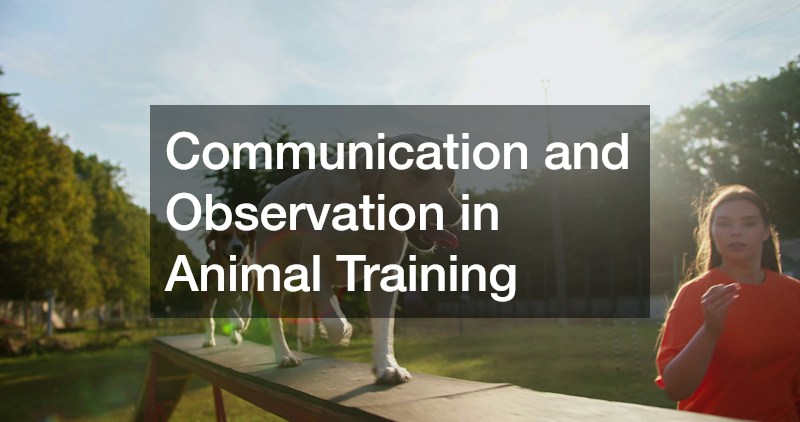
Animal training requires patience, observation, communication, consistency, and an understanding of animal behavior. Puppy classes provide an environment where these skills can be developed while teaching foundational behaviors and helping people understand how to interact with their dogs.
Learning in this field involves both the trainer and the person responsible for the animal. Clear communication can help people understand expectations, while observation allows trainers to recognize different responses and adjust instruction when appropriate. Consistent practice can also help reinforce the concepts introduced during training.
- Observation skills help trainers recognize changes in behavior and responses.
- Communication supports clear explanations and consistent instruction.
- Patience allows trainers to work through different stages of learning.
- Consistency helps reinforce expectations during training.
- Practical experience provides opportunities to understand different behaviors and situations.
Animal training demonstrates how learning can involve communication between people as well as practical interaction with animals. Developing these skills can help trainers and participants better understand the process of building new behaviors.
Learning supports professional development in many different ways, and the skills involved can vary significantly between career paths. A healthcare professional may depend on technical knowledge, observation, and communication, while an accountant may rely heavily on analysis, accuracy, and organization. Careers in cleaning, food service, event coordination, process management, business leadership, education, mechanical work, and animal training likewise require combinations of skills suited to their responsibilities.
Formal education can provide foundational knowledge, but practical experience and continued development can also play important roles. Across these different fields, learning provides opportunities to strengthen technical abilities, improve communication, develop organizational habits, and become more capable of responding to changing circumstances. These varied examples show that professional learning is not limited to one type of career or one method of preparation. Instead, it can contribute to the knowledge and skills people use throughout their working lives.



Post Comment