Why Should I Send My Child to a Private Kindergarten?
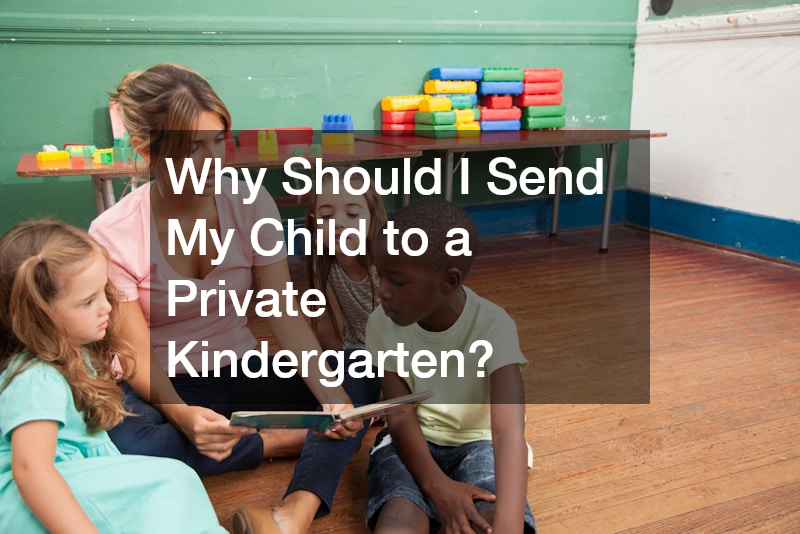
Choosing the right educational path for your child is one of the most significant decisions you will make as a parent. With options such as public schools, homeschooling, and private institutions, it’s crucial to weigh the pros and cons of each. Private kindergartens have garnered considerable attention in recent years for their specialized programs and tailored learning experiences. This blog explores the advantages of enrolling your child in a private kindergarten, helping you understand the value they bring to early education and overall development.
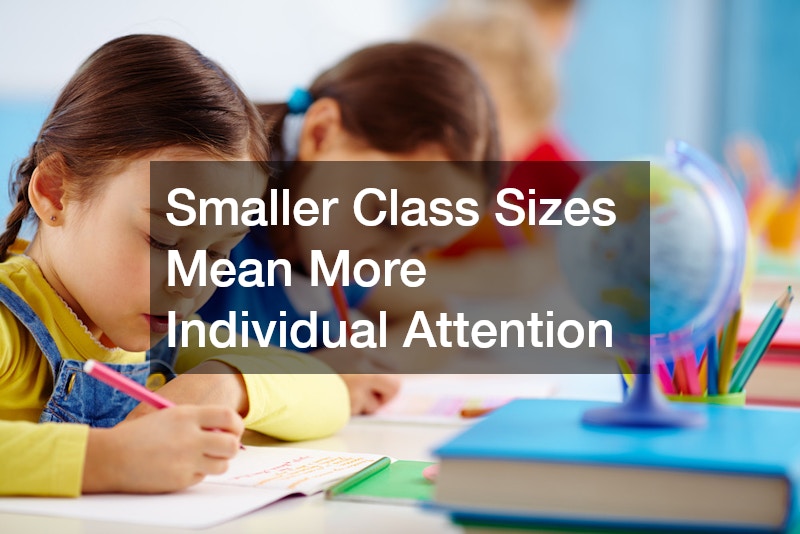
1. Smaller Class Sizes Mean More Individual Attention
One of the most notable benefits of sending your child to a private kindergarten is the smaller class sizes. Private schools typically boast a lower student-to-teacher ratio than public schools, allowing for more individualized attention for each child. In an environment where teachers can devote more time to each student, children are likely to receive the support they need, whether it’s for academic advancement or social-emotional development. This personalized instruction helps cater to each child’s unique learning style and pace, ensuring they aren’t left behind in a crowded classroom. Moreover, the closer relationships formed between teachers and students foster a more nurturing learning atmosphere.
2. Highly Qualified Educators
Private kindergartens often prioritize hiring highly qualified educators, many of whom hold advanced degrees and have substantial teaching experience. The rigorous hiring standards that these institutions maintain lead to a team of educators who are not only passionate about teaching but also skilled in innovative educational practices. With their expertise, teachers can introduce creative and effective learning strategies tailored specifically to young learners. This level of professionalism translates into a nurturing environment where children can thrive and explore their interests freely. Furthermore, dedicated teachers often engage families in the educational process, offering insights and strategies to ensure a supportive home-learning environment.
3. Enriched Curriculum and Extracurricular Activities
Many private kindergartens provide a richer curriculum that extends far beyond standard educational requirements. These schools often incorporate art, music, foreign languages, and physical education into their daily routines, enriching the learning experience. With a broader spectrum of subjects and activities, children can explore their passions, discover new interests, and develop a well-rounded skill set at an early age. Additionally, private kindergartens frequently offer exceptional extracurricular activities, such as coding classes, gardening, or even robotics. These programs can help your child become more adaptable and prepare them for future academic success.
4. Stronger Community and Parental Involvement
When choosing a private kindergarten, you often find a strong sense of community among families, educators, and staff. This close-knit atmosphere can be incredibly beneficial for your child, as it promotes socialization and the development of friendships. Parents have more opportunities for involvement in private institutions, from volunteering in the classroom to participating in community events. This high level of parental engagement provides a robust support system that extends learning beyond the classroom walls. Additionally, active collaboration between parents and teachers can lead to more effective communication and contribute to each child’s growth.
5. Focus on Character Development and Social Skills
Private kindergartens often emphasize character development and social skills alongside academic learning. Many institutions incorporate social-emotional learning into their curriculum, which helps children develop essential life skills such as empathy, cooperation, and resilience. By learning how to navigate their emotions and interact effectively with peers, children in private kindergartens are better equipped to face future challenges. Such foundational skills are critical for a child’s overall well-being and academic success, fostering a sense of confidence and security. Research shows that children who experience strong social-emotional learning do better in school and beyond, making this focus a strong selling point for private education.
Ultimately, sending your child to a private kindergarten represents a commitment to their academic, emotional, and social growth. From individualized attention and highly qualified educators to enriched curricula and a supportive community, the benefits of private kindergarten are both profound and far-reaching. These institutions not only provide a solid foundation for future learning but also help shape well-rounded individuals prepared for the complexities of life. If you are considering educational options for your child, private kindergarten may very well be the ideal environment to foster their development and set them up for future success.


Post Comment