Are There Long Term Benefits of Sending My Child to Preschool?
As parents, we want the best for our children, and one of the critical decisions we face is whether to send them to preschool. With various opinions and an abundance of information available, it can be challenging to assess the long-term benefits of early childhood education.
Research suggests that there are indeed numerous advantages to enrolling children in preschool, not just during their formative years but also extending into their later childhood and beyond. In this blog post, we will explore the long-term benefits of sending your child to preschool and how it can set the stage for a successful academic and social future.
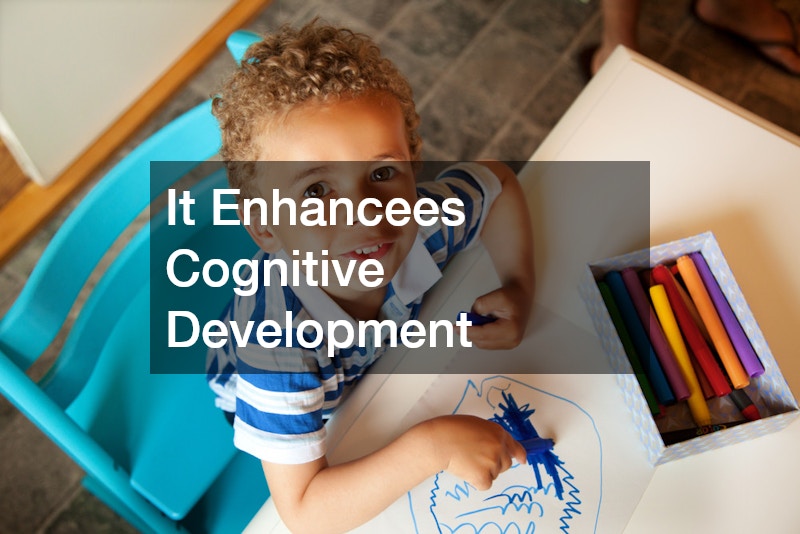
One of the most significant benefits of preschool is its role in enhancing cognitive development. Children exposed to structured learning environments at an early age are more likely to develop critical thinking skills and a love for learning. Programs designed for preschoolers often include activities that promote problem-solving, creativity, and language skills. Studies have shown that children who attend preschool demonstrate higher academic achievement in later years, including better reading and math skills by the time they reach elementary school. This foundational cognitive growth is crucial for a child’s success in subsequent educational pursuits, making a compelling case for the long-term advantages of prep school programs.
Social and emotional skills are equally vital components of a child’s development, and preschool provides an ideal setting for honing these abilities. In preschool, children learn to interact with peers and navigate social situations, which fosters essential skills such as sharing, empathy, and cooperation. These social skills are not just beneficial during early childhood; they are critical throughout a child’s life, helping them to build relationships and work effectively in team settings as they grow older. Emotional regulation learned during preschool also contributes to future academic success, as children understand their emotions better and learn to manage them, creating a more conducive environment for learning.
Another crucial aspect of preschool is the introduction to structured routines, which is essential for developing discipline and time management skills. Preschool exposes children to daily schedules that include time for play, learning, and social interaction, thereby teaching them to manage their time effectively. This structure helps children transition more smoothly into the formal education system, where adhering to a schedule becomes even more critical. By establishing a sense of routine and discipline early on, preschools can instill habits that benefit children throughout their educational journey and into adulthood.
Engagement in preschool can also have a profound impact on a child’s family life. When children attend preschool, parents often become more involved in their children’s education, which fosters a love for learning at home. Preschools frequently encourage parent-teacher communication, which can strengthen the bond between families and educators. This collaboration creates a supportive learning environment, making it easier for children to thrive in their educational pursuits. Additionally, the skills learned in preschool often enable children to develop a positive attitude toward education, which can lead to long-term academic success and a greater likelihood of pursuing higher education.
Finally, investing in preschool can have lasting economic benefits, not just for families but for society as a whole. Research has shown that children who attend high-quality preschool programs are less likely to need special education services, have higher graduation rates, and eventually secure better job opportunities. This translates to significant cost savings for families and educational institutions in the long run. Moreover, children who receive a strong educational foundation are more likely to contribute positively to society, engaging in civic activities and creating an educated workforce. Therefore, sending your child to preschool is not merely an educational decision; it is an investment in the future that benefits everyone.
In conclusion, the long-term benefits of sending your child to preschool are substantial and multifaceted. From improved cognitive and social skills to better educational outcomes and economic benefits, the advantages of early childhood education are evident. Enrolling your child in preschool prepares them not just for their upcoming school years but also equips them with the tools they need for lifelong success. As parents, making the decision to invest in preschool can have far-reaching implications, ensuring that our children are well-prepared to face the challenges of the future with confidence and competence.



Post Comment