The Technology Behind Fall Protection Systems
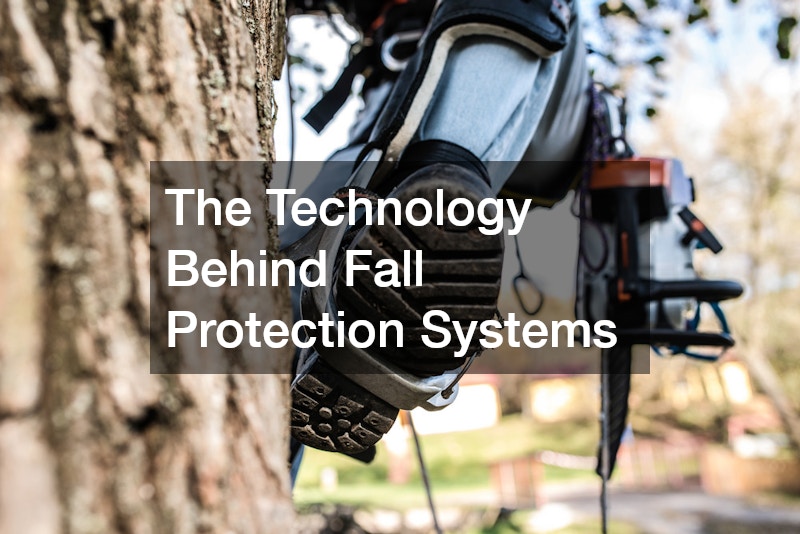
Fall Protection Systems are essential in ensuring safety in various industries, particularly those involving work at significant heights. With advancements in technology, the efficiency and reliability of these systems have greatly improved, presenting innovative solutions to one of the most pressing workplace safety concerns. In this article, we will discuss the key technological components that have revolutionized fall protection systems and how they integrate to prevent accidents.
Modern Harness Designs and Materials
The evolution of harness designs and materials plays a vital role in the functionality of fall protection systems. Modern harnesses are engineered using lightweight yet durable materials that provide maximum strength without compromising comfort. One significant innovation in harness designs is the incorporation of smart textiles, which can monitor various factors such as tension and movement. These textiles can alert users and supervisors to potential risks, ensuring proactive risk management. Furthermore, ergonomic designs have become prevalent, ensuring that harnesses accommodate diverse body types and minimize physical strain, thereby encouraging consistent use among workers.
Another important advancement is the integration of reflective materials within harnesses. These materials enhance visibility in low-light conditions, a critical factor for work environments with inadequate lighting. By improving the visibility of workers, employers can significantly reduce the likelihood of accidents, especially during night shifts. Moreover, the durability of these materials ensures that harnesses can withstand abrasive environments and prolonged exposure to the elements. The result is a product that not only enhances safety but also offers longevity, saving costs for companies over time.
The development of harnesses has also benefited from advanced testing methods. Rigorous testing ensures that harnesses can handle extreme loads and sudden impacts. Computational simulations are often utilized in the design phase to predict the harnesses’ performance under various scenarios. Such analyses enable manufacturers to fine-tune designs for optimal safety and functionality. This detailed approach ensures that each piece of equipment meets high safety standards and can be trusted in critical situations.
Advanced Anchor Systems
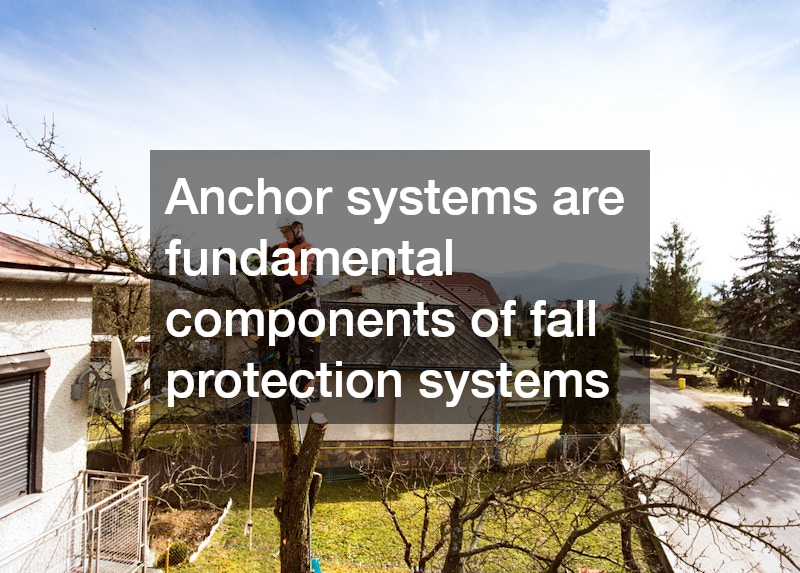
Anchor systems are fundamental components of fall protection systems, providing secure points of attachment for harnesses and lifelines. Recent technological advancements have introduced innovative anchor designs that enhance stability and adaptability. For instance, removable and reusable anchors offer flexibility for various work environments, as they can be easily installed and relocated. This adaptability is especially beneficial in industries such as construction, where work sites frequently change. The ability to reposition anchor points ensures that safety measures can be tailored to specific tasks and situations.
Material technology has also influenced the development of anchoring systems. High-strength, corrosion-resistant materials such as stainless steel and specific alloys are now standard, ensuring that anchors remain secure even in harsh conditions. These materials extend the lifespan of the systems, mitigating the risk of material degradation that could compromise safety. Furthermore, advanced coating technologies further enhance the durability and reliability of anchor systems, thereby ensuring consistent performance over time.
Integration with digital technologies has further revolutionized anchor systems. Many modern anchors incorporate sensors to provide real-time data on their load-bearing status. These sensors can communicate with centralized monitoring systems, enabling immediate responses to potential safety hazards. Such integration offers the dual benefits of enhancing safety and increasing operational efficiency. By adopting such technologies, employers can create a safer work environment while ensuring compliance with safety regulations.
Innovative Safety Nets and Barriers
Safety nets and barriers form an additional layer of protection in fall protection systems, designed to catch or prevent falls from occurring. Technological advancements have led to the development of dynamic safety nets that can absorb impacts effectively while maintaining structural integrity. These nets are made from high-tensile synthetic materials that are both lightweight and robust, reducing the likelihood of falls resulting in serious injuries. Another significant innovation is the quick-deploy systems that enable the rapid installation of nets in response to shifting safety needs on a job site.
Barriers, such as guardrails, have also benefited from technological advancements. New designs incorporate adjustable and modular components that allow for easy customization and scalability in diverse environments. These progressive designs meet the specific safety requirements of different job sites, offering enhanced flexibility and protection. Additionally, collapsible barriers provide a portable solution that is ideal for temporary job sites or events, ensuring comprehensive safety coverage regardless of the location.
The use of smart technologies is making safety nets and barriers more intelligent and responsive. Embedded sensors can provide live updates on structural integrity and environmental conditions that may affect the safety of a site. By analyzing this data, safety managers can predict and prevent potential hazards before they cause accidents. This proactive approach to safety management not only protects workers but also aligns with the growing industry emphasis on digitalization and data-driven decision-making.
The technology behind fall protection systems has advanced significantly, driven by a commitment to enhancing worker safety. Modern harness designs, advanced anchor systems, and innovative safety nets and barriers exemplify how technological advancements have been harnessed to create safer work environments. These innovations not only provide protection but also improve efficiency and adaptability across various industry sectors. By investing in state-of-the-art fall protection systems, companies can safeguard their most valuable assets—their workforce.
Furthermore, as technologies continue to evolve, the potential for further enhancements in fall protection systems remains vast. Continued investment and research in this area are crucial to maximizing safety and minimizing risks. Ultimately, leveraging technology for fall protection systems not only fulfills regulatory obligations but also reflects a dedication to building a culture of safety that benefits everyone involved.
The commitment to ongoing innovation in fall protection systems will ensure that workplaces become progressively safer over time. With continued advancements, we can anticipate a future where accidents due to falls become increasingly rare. This future aligns with the broader vision of utilizing technology to create environments where both productivity and safety are optimized.



Post Comment