What to Expect When Sending Your Little One to Infant Daycares
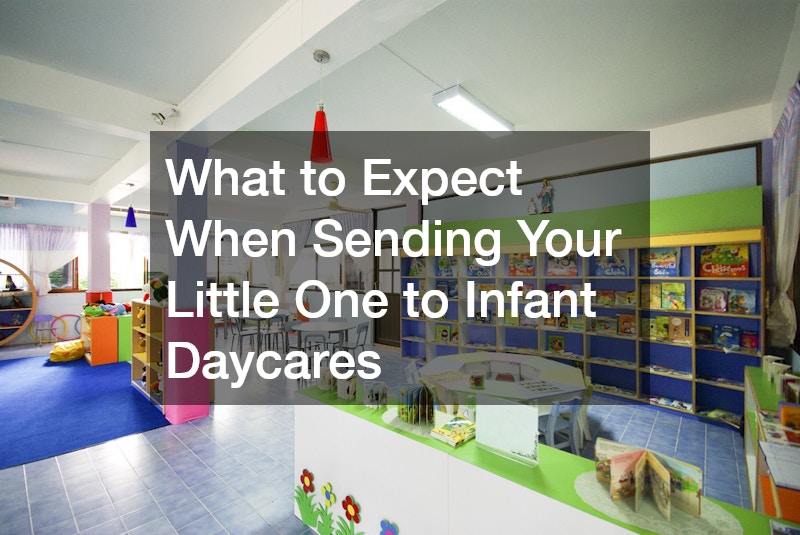
Choosing to send your child to an infant daycare is a pivotal decision in their early development. Parents rightfully have countless questions and concerns about this transition. Understanding the benefits and what to expect during this process can significantly ease anxieties. Infant daycares provide a nurturing environment that fosters social, cognitive, and emotional growth. Moreover, they offer structured routines that can complement parental care, ensuring a holistic approach to a child’s development.
For parents who work or need time for personal endeavors, daycare can be a valuable resource that ensures their child is well cared for and engaged.
While considering infant daycare, it’s essential to weigh the benefits against any apprehensions. Daycare not only focuses on childcare but also prioritizes early childhood education, enhancing learning experiences from a young age. The social interaction that daycares offer can cultivate a sense of community and sharing among infants. With specialized caregivers and structured environments, daycares attend to each child’s unique developmental needs. Parents can take comfort in knowing their child is in a safe and enriching space that promotes independence and creativity.
Understanding what infant daycare entails is vital for making informed decisions. Infant daycares offer age-appropriate activities that stimulate mental and physical development. As children interact with peers, they learn crucial social skills such as cooperation and empathy. Parents are advised to visit potential daycare options to observe the facilities, interactions, and activities firsthand. This informed approach assures parents that their child will receive quality care and education that aligns with their parenting style and expectations.
How to Choose the Right Infant Daycare?
1.1 Understanding Daycare Types
When selecting local infant daycares, understanding the different types available is crucial. Some parents prefer home-based daycares, which might offer a closer, more personal environment for their children. Others might lean towards center-based care, which usually has more structured educational programs and activities. In addition to these, certain daycares focus on specific education philosophies such as Montessori or Reggio Emilia. Evaluating these approaches can help parents narrow down choices based on their childcare preferences.
Each daycare type has its advantages and potential drawbacks. Home-based daycares might have fewer children, providing more personalized attention, but may lack the resources available in larger centers. Alternatively, center-based daycares often have a wider array of activities and equipment, fostering an interactive learning environment. It is important for parents to consider what environment their child might thrive in the best. The decision often boils down to the specific needs and temperament of the child.
An understanding of each daycare option’s operational dynamics aids in making the best decision. Families should consider visiting multiple types of daycare to gain firsthand experience of their offerings. Observing caregiver interactions, educational materials, and the children’s engagement can be insightful. It’s also important to inquire about hours of operation, tuition fees, and vacation policies. By doing so, you can ensure that the daycare aligns with both logistical needs and personal childcare philosophies.
1.2 Evaluating Staff Experience and Credentials
The staff at an infant daycare play a pivotal role in shaping a child’s early experiences. Evaluating the experience and qualifications of caregivers is therefore crucial. Caregivers should not only be trained in child development but also demonstrate patience, attentiveness, and a genuine affinity for working with young children. Asking about the teachers’ educational backgrounds, certifications, and ongoing professional development is a good starting point. Having knowledgeable staff ensures children receive nurturing care and enriching educational experiences.
It’s also vital to assess how staff members communicate with children and handle conflicts. Observing caregiver-child interactions during a visit can provide great insights. Experienced staff will employ positive discipline techniques and foster a supportive environment. Their ability to communicate effectively with both children and parents is essential. The insights gained from these observations are invaluable in determining the quality of care and education provided.
Parents might also inquire about the staff-to-child ratio, which impacts the quality of care and attention each child receives. Lower ratios generally mean more personalized attention. Daycares that maintain appropriate ratios tend to offer a better care environment. Consistency in caretakers is another consideration, ensuring children form stable and secure attachments. By evaluating these factors, parents can choose a daycare with competent and caring professionals who will be a positive influence on their child.
1.3 Assessing Safety and Cleanliness Standards
Safety and cleanliness are fundamental elements of any quality infant daycare. Before finalizing a choice, it’s crucial to review the health and safety measures in place. Daycares should have stringent cleaning protocols to minimize illness spread, especially given infants’ vulnerabilities. Facilities should be clean, well-maintained, and designed keeping in mind the safety of the infants. This includes having safe play equipment, covered electrical outlets, and secure doors and gates, assuring parents of the physical safety of their children.
Safety extends to the policies and procedures that daycare centers enforce. Understanding emergency preparedness plans, such as those for fires or medical emergencies, is essential. Many daycares also keep logs relating to health and safety inspections, which parents have a right to review. Additionally, it’s vital to inquire about how incidents are handled and communicated to parents. A daycare that prioritizes safety will be open and transparent about its procedures and protocols.
Regular facility inspections by health and safety bodies are an indicator of a daycare’s commitment to maintaining high standards. Ask about certifications and licenses that confirm compliance with relevant regulations. Daycare centers offering detailed information about their safety measures exemplify accountability and professionalism. As parents, these insights can foster trust that the child’s well-being is never compromised. This assurance is instrumental in making a confident daycare selection.
1.4 Considering Location and Accessibility
The location and accessibility of a daycare center are practical considerations that significantly impact daily routines. Parents might prioritize a center close to home or work to minimize commute times and logistical challenges. Easy accessibility to the daycare means greater flexibility for drop-offs and pick-ups. In the case of emergencies or unexpected situations, proximity to the daycare can be crucial. Access to public transportation or reasonable parking options further enhance the convenience offered by the daycare’s location.
When considering location, it’s also essential to think about the surrounding neighborhood. Safety of the area plays a critical role in decision-making. An ideal location would have minimal exposure to high-traffic roads and consist of surroundings that promote a nurturing environment. Accessibility goes beyond physical location and extends to communication with the daycare. Parents would benefit from centers that offer open communication channels and have staff readily available to address queries or concerns.
Beyond proximity, logistical considerations include daycare hours that accommodate family schedules. Centers with flexible options for different time frames can offer additional support for working parents. Consider how the daycare integrates with broader family obligations and stay attentive to how its location impacts daily routines. With these logistical and practical factors in mind, families can select a daycare that seamlessly fits into their lifestyle, providing a balanced approach to childcare.
1.5 Reading Reviews and Seeking Recommendations
A critical step in choosing the right daycare is seeking feedback from other parents and reading reviews. Reviews can offer insights into the everyday operations and quality characteristics of a daycare. Testimonials from current or past parents provide a more personal perspective on the experiences their children had. Websites and forums can be a rich source of reviews, though it is crucial to ensure they are from credible sources. Consider the reviews in the context of what’s essential for your child’s care and do not hesitate to reach out directly to other parents for their experiences.
Personal recommendations from friends, family, or community members can be particularly valuable. These first-hand accounts can offer a level of detail and honest opinion that reviews might overlook. Families can gain insights into how well the daycare aligns with their expectations. Discussing both positive and negative aspects of a daycare helps in drawing a comprehensive picture. Trustworthy recommendations can guide parents towards a daycare that aligns with their specific needs and values.
It’s advisable to approach reviews and recommendations critically, understanding that experiences can vary widely. Look for common themes and consider how closely they relate to your child’s and family’s needs. Knowing what to expect beforehand, informed by both positive and constructive feedback, helps in setting realistic expectations. This due diligence ultimately supports the decision-making process, ensuring your choice of daycare will be a positive partner in your child’s early development. After synthesizing these insights, evaluations can be made on where such a choice fits into the overall daycare selection process.
What Questions to Ask During a Daycare Tour?
2.1 Inquiring About Daily Routines and Schedules
During a daycare tour, understanding the daily routines and schedules is essential for assessing how these fit with your child’s needs. A well-structured routine provides children with a sense of stability and security. Ask about the allocation of time toward activities such as play, meals, naps, and educational tasks. Knowing how a typical day is structured helps in gauging how it will influence your child’s habits. It’s also insightful to enquire about how the daycare approaches spontaneous events or special circumstances.
Infants thrive in environments that offer a balance of stimulation and rest. Therefore, understanding how much time is dedicated to interactive play, quiet time, and sleep is important. Daycare centers should be able to demonstrate how they cater to individual developmental needs within group settings. Personalized approaches, whether it’s for a nap schedule or activity choices, often signal high-quality care. Being clear about these practices will enable you to better integrate them into your home routine.
Observations during the tour can reveal how well routines are established and applied. Seeing routines in action can also provide insight into how caregivers manage any disruptions or transitions. Consistency in routines reflects a focused approach to child development, instilling confidence in the daycare’s capabilities. Interactions with staff during this time might also illustrate their ability to adapt routines to cater to individual differences. Such observations give parents peace of mind that their child will engage in productive and harmonious daily activities.
2.2 Discussing Health and Safety Policies
Health and safety policies form the backbone of a reliable and responsible daycare environment. During the daycare tour, inquire about their protocols for maintaining hygiene, managing illnesses, and handling emergencies. Understanding these policies is crucial as it reflects the daycare’s commitment to protecting its children. Daycares should perform regular sanitation routines and have procedures for common illnesses and their spread, especially coming from scenarios like COVID-19. Reviewing their safety policies helps assure parents of their child’s protection and the daycare’s diligence in caring for their well-being.
Emergency preparedness plans and first aid practices are essential components to discuss. Knowing how the daycare reacts to medical emergencies or unexpected situations can provide reassurance. Inquire about staff training in CPR and first aid and whether drills for emergencies are conducted regularly. This conversation provides insight into how thoroughly prepared the daycare is for various scenarios. Understanding the communication protocol during these emergencies ensures that parents remain closely connected and informed.
Beyond typical health policies, specific policies such as those addressing allergies or special health needs are also important to understand. Daycares should offer tailored policies for children with unique healthcare requirements or dietary restrictions. They should communicate these policies clearly to all staff and parents to ensure understanding and adherence. It’s also helpful to ask about the procedures surrounding the reporting of incidents and how promptly issues are addressed. Clarity in these areas contributes to trust and confidence in their safeguarding practices.
2.3 Understanding the Child-to-Caregiver Ratio
The child-to-caregiver ratio is a crucial metric in determining the quality of care an infant will receive in a daycare setting. Lower ratios typically mean more individualized attention, which is vital in these formative years. Inquiring about the ratios can provide insight into the daycare’s capacity to offer personalized care and supervision. Knowing these ratios also helps in assessing the level of interaction your child will receive daily. A daycare’s ability to maintain lower ratios is often indicative of its commitment to high-quality care and education.
Adequate child-to-caregiver ratios ensure that each child receives the appropriate support and engagement needed for development. This includes supervision during activities, meals, and nap times as well as handling unforeseen situations. Daycares with lower ratios are often more adaptable to children’s changing needs and preferences. Listening to how caregivers manage various tasks provides reassurance about their capability to balance workload efficiently. Observing these dynamics aids parents in deciding whether a daycare’s environment aligns with their expectations.
During a tour, ask how fluctuating attendance factors into staff scheduling to prevent caregiver burnout. Understanding how the daycare manages periods of high attendance is crucial. Daycares that proactively plan for these scenarios are often more organized and effective in caregiving. Discussing these topics helps build a comprehensive view of a daycare’s daily environment, its operational capacity, and its overall efficiency. Such detailed understanding can significantly influence the comfort level parents have when entrusting their child to a particular daycare.
2.4 Asking About Meals and Nutrition
Nutrition is a foundational aspect of a child’s development and learning, making it an important discussion point during a daycare tour. Inquire about the meal planning, food preparation process, and menu options provided by the daycare. A well-rounded approach to meals includes considerations for nutrition as well as diversity and balance in cuisine offerings. Transparency in food sourcing can also be beneficial, reassuring parents that their child’s meals come from reliable and safe providers. Daycares emphasizing healthy, varied diets can aid in establishing lifelong positive eating habits in young children.
Questions about meal scheduling and the inclusion of snacks can also be informative. Children require regular mealtimes to maintain energy and focus throughout the day. The daycare’s approach to mealtime scheduling should support natural routines for young children’s dietary needs. Additionally, inquire about accommodating specific dietary needs, allergies, or restrictions. Responsive meal planning reflects the daycare’s awareness and adaptability, ensuring all children have access to safe, nutritious food.
Nutritional education is often integrated into daily activities, offering children opportunities to learn about healthy choices. Check whether meal times double up as educational moments that teach children about nutrition, hygiene, and etiquette. Seeing how mealtime is managed during the tour can offer visual cues to the daycare’s practices and value systems. Observations around caregiver interactions during meals provide additional context to these learning opportunities. Making informed nutritional decisions at this stage is pivotal to your child’s health and development in daycare.
2.5 Understanding Discipline and Comfort Policies
Infant daycare centers often have specific philosophies regarding discipline and comfort designed to foster a stable environment. It’s vital to understand how the daycare approaches these aspects, as they influence the child’s sense of safety and emotional resilience. Inquire about the strategies they employ to guide behavior and address conflicts or disruptions. Effective policies typically emphasize positive reinforcement and redirection, focusing on nurturing growth over punitive measures. The daycare’s philosophy should align with your approach to parenting, reinforcing consistent messaging across home and center environments.
Comfort policies are equally important, particularly in regards to how staff manage transitions and emotional distress. Inquiring about how caregivers provide emotional support, especially in moments of separation anxiety or discomfort, can offer insight. Ask about specific comfort practices, such as soothing techniques or comforting routines utilized during naptime or difficult situations. Understanding these practices provides clarity on how the daycare encourages emotional development while maintaining a nurturing atmosphere. Informed parents can better prepare their child for the daycare’s approach, ensuring a smoother adjustment.
The relationship between discipline and comfort policies plays a crucial role in shaping the child’s overall experience at the daycare. Observing interactions between staff and children during a tour can reveal the application of these policies in real-time. Witnessing a nurturing approach can reassure parents of the daycare’s supportive culture. Parents should seek institutions that emphasize compassion, patience, and understanding, knowing these values will be consistent throughout their child’s early experiences. By aligning daycare and home approaches, parents and caregivers can collectively foster a positive learning environment.
How to Prepare Your Infant for Daycare?
3.1 Establishing a Consistent Routine
Creating a consistent routine before starting daycare can ease the transition for both parent and child. Establishing regular patterns for sleep, meals, and playtime familiarizes the child with structured days similar to daycare schedules. This regularity helps infants anticipate what comes next, offering a sense of security and comfort. Consistent routines preemptively reduce anxiety associated with new environments by replicating familiar patterns at home. Parents can start practicing these routines weeks before the first daycare day, giving the child ample time to adjust.
Integrating elements of the daycare schedule into daily life can create a smoother transition. For instance, aligning nap or meal times with those expected at daycare provides continuity and familiarity. The imitation of daycare routines can include mimicking activities such as reading, music, or quiet time. On-the-job child development professionals emphasize the benefits of adaptive routines in fostering stable environments. With consistency, children are less likely to resist changes, viewing daycare as an extension rather than a replacement of home life.
Parents may find it beneficial to map out changes in existing routines to address potential areas of friction preemptively. Transition activities, like brief periods of separation or increased social interaction, can also foster adjustment. Clear communication with caregivers about your child’s current routine can assist in maintaining this consistency at daycare. Such routine adjustments serve as a foundation for smoother integration into the daycare’s framework. With time and practice, your infant can acclimate more comfortably to their new environment.
3.2 Packing the Essential Items
Preparation for daycare involves packing essential items that offer comfort and practicality to children. While daycares provide many necessities, bringing personal items can provide familiarity and ease transition. Items like blankets, favorite toys, or photos can have soothing impacts, providing a sense of home when at daycare. Clothing, diapers, wipes, and bottles should be packed in ample supply to cover the day’s needs. Having appropriate labeling for all personal items ensures they aren’t misplaced, aiding in keeping a well-organized daycare setting.



Post Comment