Why Is Private School Education So Popular?
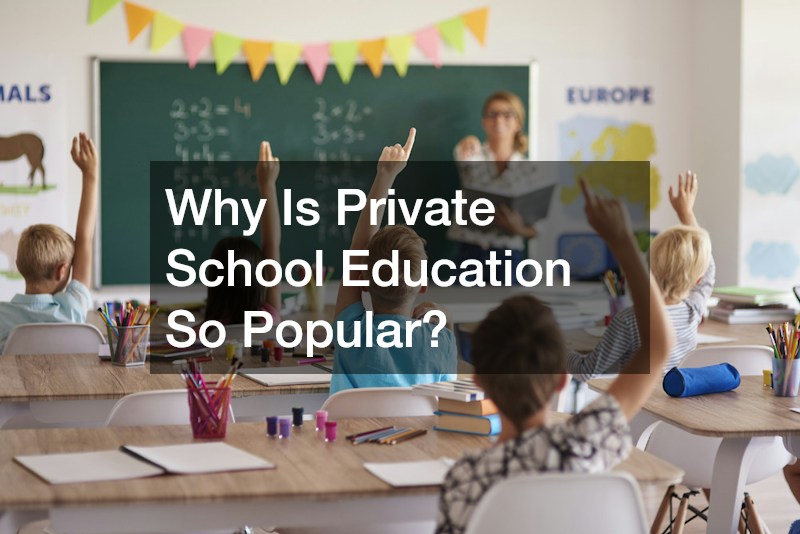
In recent years, private school education has gained significant traction among parents and students worldwide. This trend is driven by a myriad of factors, including academic performance, access to resources, and perceived benefits. As we delve into this topic, it’s vital to understand the underlying reasons why private schools are becoming increasingly sought after.
Private schools are often seen as institutions that promise an edge in educational outcomes. With smaller class sizes and dedicated faculty, these schools claim to nurture students more effectively than their public counterparts.
This article will explore the various dimensions of private school education, assessing its advantages and societal perceptions.
While not accessible to all, the allure of private schooling remains strong for those who can afford it or prioritize it above other expenditures. As competition for university placements and job opportunities intensifies, many see private education as a vital investment. This article will examine why this sentiment is growing and how it impacts the broader educational landscape.
1. What Advantages Do Private Schools Offer?
Private schools are known for providing numerous advantages, including personalized attention due to smaller class sizes. This setting allows teachers to focus more on individual students, catering to their unique learning needs and helping them excel. Moreover, private schools often have specialized programs and extracurricular activities that promote a well-rounded education.
Access to state-of-the-art facilities and resources is another significant advantage that private schools offer. These resources, which include advanced laboratories, libraries, and technology, enhance the learning experience and better equip students for higher education and modern careers. Consequently, private schools can offer enrichment beyond the standard curriculum in public institutions.
Additionally, private schools frequently have a strong sense of community, involving not just students but also parents and faculty. This communal atmosphere fosters a supportive environment that encourages academic and personal growth. Parents often choose private schools because they value the emphasis on building character and leadership skills in students.
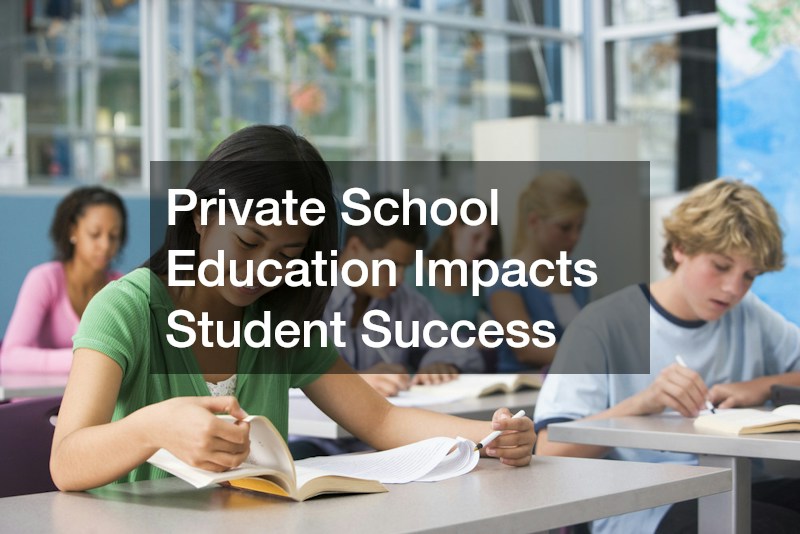
2. How Does Private School Education Impact Student Success?
Research indicates that students in private schools tend to perform better academically due to rigorous curricula and higher educational standards. The focused approach to education ensures students grasp complex concepts, often leading to higher test scores and preparedness for college-level work. This academic excellence is a key factor driving the popularity of private schools.
Furthermore, private school graduates are frequently well-equipped to transition smoothly into higher education and professional environments. This readiness is partly due to the emphasis on critical thinking, problem-solving skills, and a strong foundation in core subjects. The success of alumni often reflects the effectiveness of private schooling in preparing students for the future.
Personalized guidance, such as college counseling services, is another contributor to student success in private schools. These schools invest in career planning resources that aid students in identifying and pursuing their goals post-graduation. With such support systems in place, private school students often experience higher rates of college acceptance and career satisfaction.
3. Are Private Schools More Inclusive?
The concept of inclusivity in private schools is multifaceted and varies widely among institutions. While some private schools actively promote diversity and offer scholarships to underrepresented groups, others may not place as much emphasis on inclusivity. This leads to a complex dynamic where inclusivity is contingent on the specific policies each school implements.
One aspect of inclusivity is the socio-economic diversity within private schools, boosted through financial aid and needs-based scholarships. These provisions aim to make high-quality education accessible to a broader demographic, though the overall percentage of students benefiting from such programs can be limited. Therefore, while efforts are made, inclusivity remains a work in progress for many private institutions.
Cultural diversity is another facet of inclusivity, with private schools increasingly recognizing the importance of fostering global perspectives among their students. Initiatives such as language programs and international exchange opportunities strive to build a more inclusive educational environment. Nonetheless, true inclusivity in private schools depends heavily on the intent and execution of each school’s diversity policies.
4. What Are the Costs Associated with Private Schools?
Private school education often comes with significant financial costs, which can be a barrier for many families. These costs typically include tuition fees, which are substantially higher than public schools, along with additional expenses like uniforms, books, and school activities. As these costs accumulate, they can make private education an unattainable goal for some.
Despite the high costs, many families view the investment in private education as worthwhile due to the perceived benefits such as better academic outcomes and future opportunities. Scholarships and financial aid can alleviate some of these financial burdens, but they are not universally available. Consequently, affordability remains a considerable challenge in accessing private education.
The financial constraints associated with private schooling often lead families to prioritize their spending or seek alternative funding methods. This might include seeking merit-based scholarships or engaging in fundraising activities. However, even with assistance, the financial commitment can be prohibitive and influences who can realistically consider private school options.
5. How Do Parental and Societal Perceptions Influence the Choice of Private Schools?
Parental perception plays a critical role in the decision-making process when choosing private education. Many parents equate private schools with superior education quality, discipline, and preparation for future academic and career success. This belief significantly influences enrollment decisions, even when faced with high tuition costs.
Societal perceptions also contribute to the growing demand for private schooling. It’s often perceived that attending private schools enhances social status and offers networking opportunities. The prestige associated with certain private institutions further drives parents to prioritize private education as a means of securing desirable social and economic outcomes for their children.
These perceptions are not without consequence. They can drive competition and increase the pressure on parents to afford private education, sometimes at the expense of other financial commitments. As such, both societal and parental views continue to shape the landscape of educational choices, underpinning the popularity of private schooling.
In summary, the popularity of private school education stems from a variety of perceived and real advantages, ranging from personalized attention and resource-rich environments to higher academic standards. Private schools are seen as pathways to success, offering unique benefits that appeal to parents and students alike amidst growing societal expectations.
Despite the appeal, the costs associated with private education and issues of inclusivity pose challenges that need ongoing attention. The balance between providing high-quality education and ensuring accessibility continues to be a critical conversation in the realm of private schooling. As the educational landscape evolves, it will be essential to monitor how private education adapts to and influences future trends.
Ultimately, the decision to choose private schooling reflects complex considerations shaped by individual priorities, societal influences, and financial constraints. As families continuously evaluate these factors, private school education is likely to remain a popular yet evolving option for those seeking diverse and enriching educational opportunities.


Post Comment