How Should Preschool Centers Be Set Up?
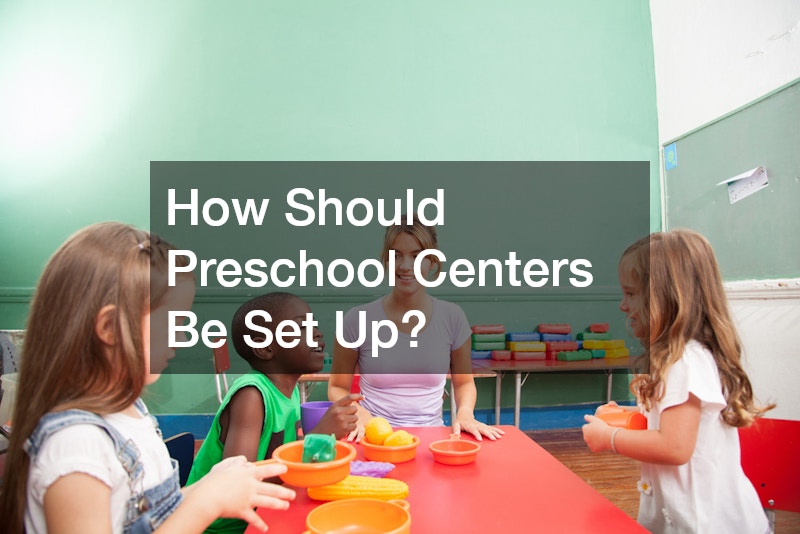
In recent years, early childhood education has been recognized as crucial for the development of essential cognitive, social, and emotional skills. Effective setup of preschool centers can greatly enhance the learning and developmental outcomes for children. By creating spaces that are safe, stimulating, and inclusive, educators can lay a foundation that supports lifelong learning. Therefore, understanding the fundamental elements that contribute to a successful preschool environment is essential for educators, parents, and policymakers.
What Are the Essential Components of a Preschool Center?
A well-established preschool center incorporates several key components that collectively support a child’s developmental journey. These include classroom layout, diverse educational materials, and safety protocols. Firstly, the physical setting should be designed to encourage both structured and free play, with designated spaces for different activities such as reading, arts, and physical play. It’s also important to have age-appropriate materials that cater to the learning levels of preschool children, ranging from books and toys to interactive technology. Additionally, safety is paramount, requiring regular maintenance of equipment and vigilant supervision to prevent accidents.
Alongside physical elements, environmental factors play a profound role in a preschool setting. The atmosphere must be warm, welcoming, and culturally responsive to make children feel accepted and valued. This could be achieved through diverse cultural representations in educational resources or multilingual signage that reflects the diversity of the student body. Ample natural light, colorful décor, and inspiring displays can further enhance this environment. A collaborative approach involving educators, parents, and designers can yield the best results by pooling varied insights and expertise. By focusing on creating a holistic environment, preschool centers can nurture a lifelong passion for learning.
Lastly, integrating technology as part of the preschool experience can offer significant advantages if appropriately managed. Interactive digital tools can support various learning styles and enable personalized learning experiences for children. However, screen time should be carefully balanced with hands-on and physical activities, as per expert guidelines. The incorporation of technology not only prepares children for the digital world but can also aid in their cognitive development. It is crucial for educators to ensure technology is used as a supportive tool rather than a solitary medium. Therefore, a multifaceted approach that harmonizes traditional methods with modern innovations is key to the setup of successful preschool centers.
How Can Emotional and Social Development Be Enhanced?
Emotional and social development is a cornerstone of early childhood education, and preschool centers should be strategic in fostering these skills. One effective measure is to incorporate activities that encourage cooperative play, which helps children learn to share, negotiate, and resolve conflicts. Group activities such as circle time or collaborative art projects can be structured to promote group participation and communication skills. Educators can play a vital role by modeling respectful communication and positive behavior, instilling these values early on. To enhance emotional intelligence, activities that encourage self-expression and reflection, like storytelling or role-playing, are beneficial.
Social-emotional learning (SEL) programs can be integrated into the preschool curriculum to systematically develop these competencies. Research indicates that children who engage in SEL programs tend to have better academic performance, improved attitudes, and reduced negative behaviors. These programs address key areas such as self-awareness, self-regulation, social-awareness, relationship skills, and responsible decision-making. Regular opportunities for children to reflect on their emotional experiences and that of their peers fortify their emotional resilience. This scaffolds a supportive network where educators and students alike contribute to an empathetic and understanding environment, essential for a child’s social growth.
Parental involvement is another critical factor that complements the center’s efforts in building emotional and social skills. By maintaining transparent communication with parents and involving them in school activities, educators can establish a consistent support system for children. Workshops and informational sessions for parents can enhance their skills in fostering emotional literacy at home. Integrating feedback from parents about their child’s social and emotional development can fine-tune approaches within the preschool center. Through such collaboration, a strong community is forged, empowering children with a sense of belonging and security that extends beyond the classroom.
What Are the Key Curriculum Considerations for Preschool?
The preschool curriculum lays the groundwork for a child’s educational journey, emphasizing a balance of play-based and academic learning. A child-centered curriculum should prioritize activities that are naturally engaging and stimulate curiosity. Play is a crucial element, serving as a vehicle for exploring concepts in mathematics, language, science, and social studies in a tangible manner. It’s important to offer both guided and free-play scenarios, where children have the autonomy to experiment and discover at their own pace. In this way, the curriculum operates as a flexible framework rather than a rigid schedule, allowing adaptation to the unique needs of each child.
Another key consideration is the integration of diverse cultural perspectives and practices within the curriculum. Preschool centers should strive for inclusivity by recognizing and celebrating various cultural heritages represented in their community. This can be realized through activities themed around different cultures, multicultural books, and involving families in sharing traditions. Such practices can foster an environment of respect and appreciation for diversity from an early age. Furthermore, integrating languages other than the primary language of instruction can support bilingualism and prepare children for a globalized world.
Assessment in the preschool curriculum should be formative, focusing on the growth and learning processes rather than solely end products. Observational assessments allow educators to understand a child’s development and customize learning experiences accordingly. This approach aids in identifying areas where a child may need additional support or challenge, facilitating more personalized education. Documenting progress through portfolios and developmental checklists can provide comprehensive insights into a child’s milestone achievements. When assessment reflects the individuality of learners, it ensures a curriculum that nurtures both strengths and opportunities for growth, aligning closely with developmental principles.
How Should Parent and Community Involvement Be Managed?
The collaboration between preschool centers, parents, and the wider community is pivotal for enriching the educational experience of young children. Establishing strong communication channels with parents can enhance mutual understanding and facilitate the sharing of resources and support. Regular parent-teacher meetings, newsletters, and online portals can keep parents informed and engaged in their child’s learning. The inclusion of parents in decision-making processes can result in more effective and transparent educational practices. For community involvement, partnerships with local organizations can provide additional learning opportunities and resources.
Community involvement can extend to inviting local professionals to provide workshops or participate in events hosted by the preschool center. This engagement allows children to connect real-world experiences with their learning, broadening their understanding and interests. Schools can organize community service activities where children participate in simple acts of kindness, fostering a sense of civic responsibility. Such activities passively educate children about societal roles, reinforcing lessons on empathy and cooperation. Community connections can also offer a network of extended support, benefitting families who require additional assistance.
A collaborative approach also benefits from considering the cultural and societal context of the preschool community. Centers should make efforts to understand and incorporate community-specific needs and strengths into their programs. By being culturally responsive and adapting to local contexts, preschool centers can build trust and empower families. The effect is a more holistic development for children, who learn the value of community contribution and multicultural respect. A well-managed synergy between home, school, and community builds an intricate support web that nurtures a child’s all-round development.
What Are the Best Practices for Staffing and Professional Development?
Staffing and professional development hold significant importance in the establishment of a thriving preschool environment. Educators are the backbone of preschool centers, responsible for implementing curriculum and fostering children’s growth. Hiring qualified, compassionate, and culturally competent staff is the first step toward creating a nurturing and effective learning environment. Continuous professional development is crucial for staff to stay informed of the latest educational methods and practices. Training geared toward classroom management, inclusive teaching, and the use of educational technology can enhance teacher competency and confidence.
Staff engagement in professional learning communities (PLCs) offers a platform for collaboration and reflection on educational practices. These communities facilitate the exchange of ideas, peer support, and collaborative problem-solving. Participating in PLCs encourages educators to evolve their techniques and approaches by learning from others’ experiences. Regularly scheduled in-service training can further reinforce these learnings while keeping the staff abreast of evolving pedagogical trends. Additionally, offering opportunities for career advancement within the preschool center can motivate staff, reduce turnover, and ensure a stable learning environment for children.
In terms of staff-student ratios, maintaining optimal numbers is critical to providing individualized attention and safeguarding health and safety standards. Research suggests a maximum of ten children per staff member yields better developmental outcomes. Implementing these ratios helps create a structured and manageable learning atmosphere where educators can focus on quality interactions with each child. Moreover, employing support staff such as classroom aides and specialized personnel for children with additional needs can provide comprehensive care and learning opportunities. A well-structured staffing strategy coupled with a commitment to professional growth fosters an ecosystem of development that benefits all stakeholders.
Each section of a preschool center’s setup—ranging from physical layout to curriculum, and emotional development—plays an integral part in shaping young learners. While the components may vary, the core emphasis remains on providing safe, inclusive, and holistic environments conducive to varied aspects of a child’s growth. Parental and community participation, along with well-supported staff, further amplifies the benefits of a preschool education. The role of policymakers and educators is clear—to ensure that resources and efforts are aligned towards creating exemplary preschool centers that lay the foundations for society’s future. A collaborative commitment to these endeavors will ensure children are equipped with the tools they need for success, advocating for early educational prioritization.




Post Comment