What Are Some of the Best Activities for Toddlers?

In this article, we will explore some of the best activities designed to engage and educate toddlers. These activities not only entertain but also contribute to their cognitive and motor skills development. A child’s early years are crucial for laying down the foundations of self-confidence, learning habits, and physical health. Interactive activities stimulate a child’s senses and help promote active learning. By choosing the right activities, parents and caregivers provide an enriching environment for toddlers to thrive.
1. Why Are Activities Important for Toddler Development?
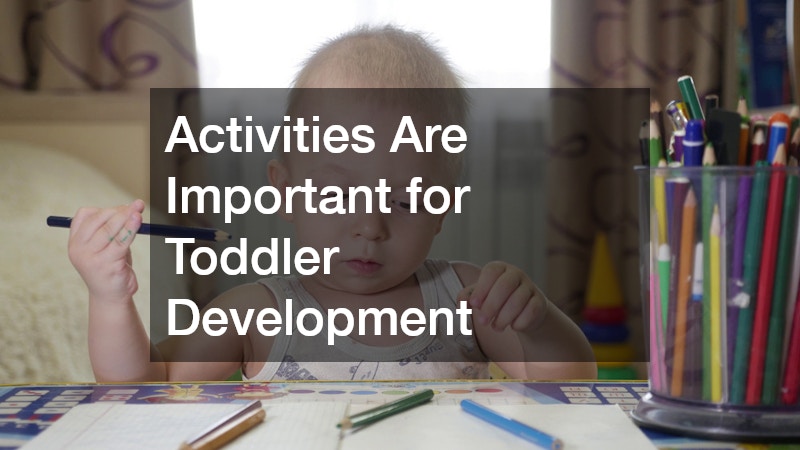
Activities are vital for toddler development because they provide opportunities for young children to explore their environment and interact with the world around them. During the formative toddler years, children experience rapid growth in both brain development and physical skills. Structured play and activities strengthen the neural pathways in a toddler’s brain, creating a foundation for intellectual growth. Activities such as stacking blocks, singing songs, or doing simple crafts improve hand-eye coordination and fine motor skills. Moreover, activities encourage toddlers to communicate, teaching them valuable language and socialization skills.
Activities are particularly important for fostering emotional development in toddlers. When a child partakes in activities that require patience, such as building a tower with blocks, they learn how to handle frustration and develop a sense of achievement upon completion. Activities that involve sharing and taking turns, whether indoor or outdoor, help toddlers understand cooperation and empathy. These experiences teach essential life skills that shape a child’s ability to manage relationships and emotions later in life. Additionally, activities provide a safe environment for toddlers to experiment, make mistakes, and learn from them, thereby developing resilience and self-confidence.
Incorporating varied activities also ensures that toddlers stay physically active, promoting health and well-being. Physical activities like dancing, running, or climbing not only expel pent-up energy but also improve cardiovascular health and muscle development. Being active also helps prevent childhood obesity, leading to healthier long-term habits. By engaging in different kinds of activities, toddlers enhance their sensory skills as they encounter various textures, sounds, and smells. Overall, activities are an essential component of holistic toddler development, impacting their physical, cognitive, social, and emotional growth.
2. What Are Some Indoor Activities for Toddlers?
Indoor activities for toddlers are an excellent way to keep them productively engaged when the weather conditions aren’t favorable for outdoor play. One simple activity is creating an indoor obstacle course using household items such as pillows, chairs, and string. This activity not only provides physical exercise but also enhances a toddler’s problem-solving skills as they navigate around obstacles. Another straightforward yet effective indoor activity is finger painting, where toddlers explore colors and art, enabling creativity and improving fine motor skills. Puzzles and shape sorters are classic indoor activities that help develop cognitive skills and hand-eye coordination.
Storytelling is another indoor activity that captures the imagination of toddlers and nurtures language development. Reading stories or creating imaginative tales encourages listening skills and increases vocabulary. Puppet shows and role-playing with soft toys also foster creative expression and allow toddlers to communicate feelings in a playful manner. Simple musical activities, such as playing with percussion instruments or singing nursery rhymes, stimulate auditory skills and rhythm understanding while also enhancing memory through repetitive verses.
For more structured learning, caregivers can incorporate educational games that teach numbers, letters, and colors in a playful format. Building blocks or Legos offer endless possibilities for constructing structures, promoting spatial skills, and creativity. Indoor activities like these ensure toddlers are continually learning and growing in a secure environment. Furthermore, indoor play allows parents and caregivers to bond with toddlers, strengthening emotional ties and providing opportunities for teaching positive behavior and social skills.
3. What Are Some Outdoor Activities for Toddlers?
Outdoor activities for toddlers are beneficial for encouraging exploration and increasing physical health. Simple exercises such as playing in the sandbox or on gardening trips fascinate toddlers and give them a tactile connection with the earth. Sporting activities like kicking a ball or riding a tricycle boost gross motor skills and develop muscle coordination. Recess at the nearby playground offers toddlers an open environment to climb, slide, and interact with other children, promoting social skills and physical fitness. Nature walks and collecting leaves or stones on a path enhance observational skills and introduce basic science concepts.
Engaging toddlers in outdoor water play during warmer months is a refreshing and enjoyable activity. A small kiddie pool, summer sprinklers, or water balloons can capture a child’s attention for hours, developing hand-eye coordination while keeping them cool. Gardening together and allowing toddlers to plant seeds teaches responsibility and patience as they watch their plants grow. Additionally, outdoor art, such as drawing with chalk on pavements, lets toddlers freely express their creativity on a grand canvas and fosters large-scale thinking.
Outdoor activities also provide the perfect setting for imaginative play, where toddlers can embark on pretend adventures, build forts with sticks, or hunt for hidden treasures. These activities not only engage their imagination but also refine social interaction as they might team up with siblings or friends. Being active in nature instills a lifelong appreciation of the environment and supports physical well-being. Outdoor play allows toddlers to learn about their surroundings in a dynamic setting, giving them a complete sensory experience that complements indoor learning.
4. How Do You Make Learning Fun for Toddlers?
To make learning fun for toddlers, creating an environment where they feel encouraged to explore and ask questions is crucial. Incorporating educational games that transform learning into an adventure can motivate toddlers and foster a love for discovering new things. Activities that stimulate curiosity, such as simple science experiments like mixing vinegar and baking soda or observing the hatching of a seed, explain processes in an engaging way. Using themed days with costumes and activities related to a specific topic, such as “space day” or “dinosaur adventures,” allows toddlers to delve deeper into subjects at their own pace.
Interactive learning tools such as multimedia apps or educational videos can complement traditional learning approaches. These resources cater to different learning styles and keep toddlers attentive with vibrant animations and sounds. Hands-on activities such as building kits or role-playing games can help toddlers understand complex ideas in a simplified manner. Group activities that involve singing, dancing, or sharing stories enable toddlers to learn through interaction and teamwork, enhancing both social and educational experiences.
It’s essential to praise and reward toddlers for their achievements, however small, to build a positive attitude towards learning. Tailoring activities to a toddler’s interests, such as cars or animals, makes educational content more relatable and enjoyable. Introducing learning elements subtly through play ensures that toddlers remain enthusiastic and engaged without feeling pressured. Allowing toddlers to lead certain activities also gives them a sense of control, increasing their confidence and willingness to engage in learning activities. By making learning fun, toddlers develop a lifelong pursuit of knowledge and discovery.
5. How Can You Choose Age-Appropriate Activities for Toddlers?
Choosing age-appropriate activities for toddlers requires understanding their developmental stages and abilities. Activities should match a toddler’s cognitive, physical, and emotional maturity to ensure they derive maximum benefit without becoming frustrated. Observing a toddler’s interests and dislikes helps in selecting activities that engage them effectively. For example, simple puzzles and shape-matching games are suitable for younger toddlers, building their problem-solving skills while being mindful of their attention span. As they grow older, more challenging activities like building more complex structures or engaging in storytelling help build their creativity and critical thinking.
The safety of activities is paramount when considering their appropriateness for toddlers. Providing a childproof and hazard-free environment allows toddlers to explore safely, reducing the risk of injuries. Avoid small objects that pose choking hazards and ensure all materials are non-toxic. Age-appropriate activities should also be flexible enough to accommodate the varied paces of development toddlers exhibit. Regularly rotating activities keeps toddlers interested and exposes them to different skills and concepts, promoting comprehensive growth.
Incorporating feedback from the toddler during activities can offer insights into their preferences and adaptability. Asking open-ended questions and encouraging expression allows toddlers to communicate their satisfaction or challenges with certain activities. Engaging with other parents or caregivers to share ideas can provide new perspectives and introduce fresh activities that are both fun and developmental. Ultimately, selecting the right activities requires a balance of structure, creativity, and adaptability to ensure toddlers are both challenged and adequately supported in their learning journey.
Engaging toddlers in diverse activities enhances their developmental skills, prepares them for future learning, and provides a foundation for sociability, creativity, and critical thinking. By choosing the right set of indoor and outdoor activities, parents and caregivers can create a nurturing environment that encourages exploration and learning. Activities that are carefully selected based on safety and age-appropriateness play a crucial role in ensuring holistic development in toddlers. Making learning enjoyable builds lifelong habits of curiosity and eagerness for discovery. Ultimately, these activities offer toddlers the necessary experiences to thrive in their formative years, laying a strong foundation for their future growth and education.



Post Comment